
Visual storytelling through compelling photography
I like stories that feel alive.
Stories with tension, humour, contradiction, silence or chaos. Stories where things happen between the lines.
The projects on this website grew out of curiosity more than planning. I rarely arrive with a fixed script in mind. I prefer to observe first. Walk around. Feel the atmosphere. Wait for moments to connect. Sometimes the story reveals itself immediately. Sometimes only later, while editing.
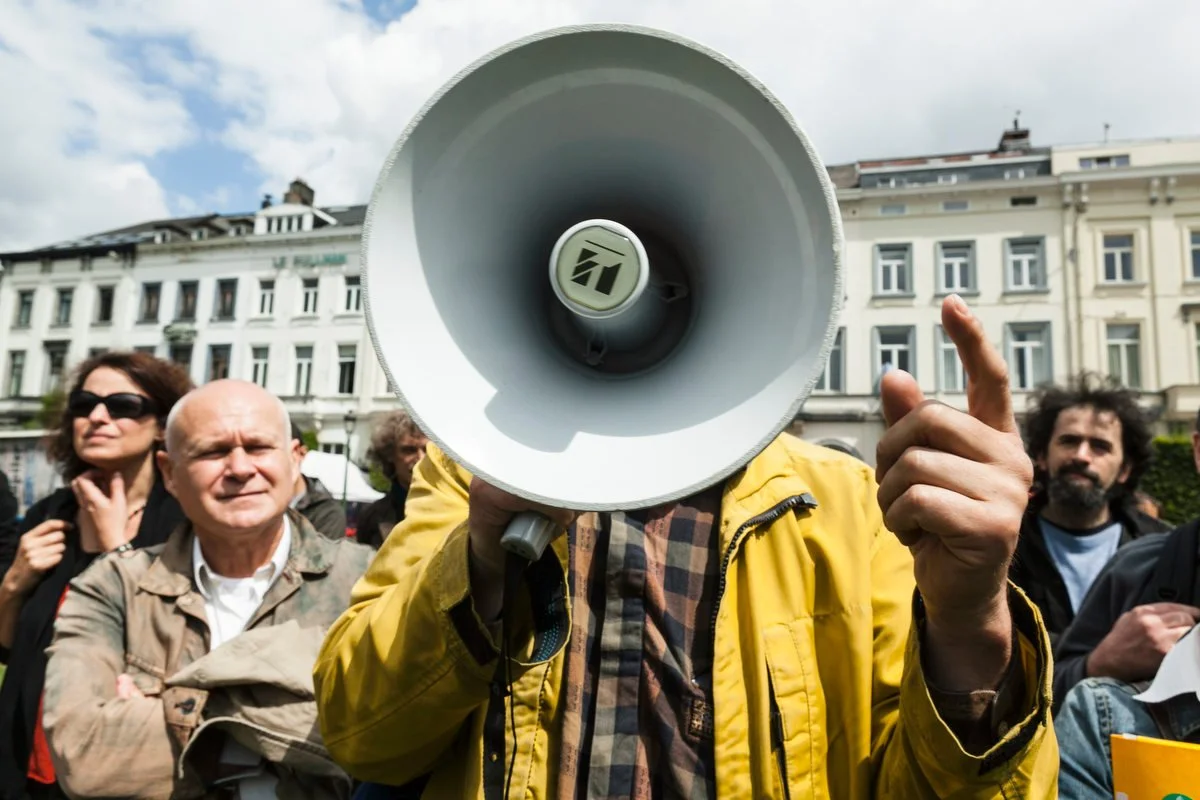
Both on assignment or without assignment, I photographed protests, political gatherings and demonstrations where emotions constantly shifted between anger, theatre and absurdity.
One second everything feels controlled, the next second something unexpected breaks the frame. Those are the moments I look for. The small details around the main event often say the most.
Other stories move slower.
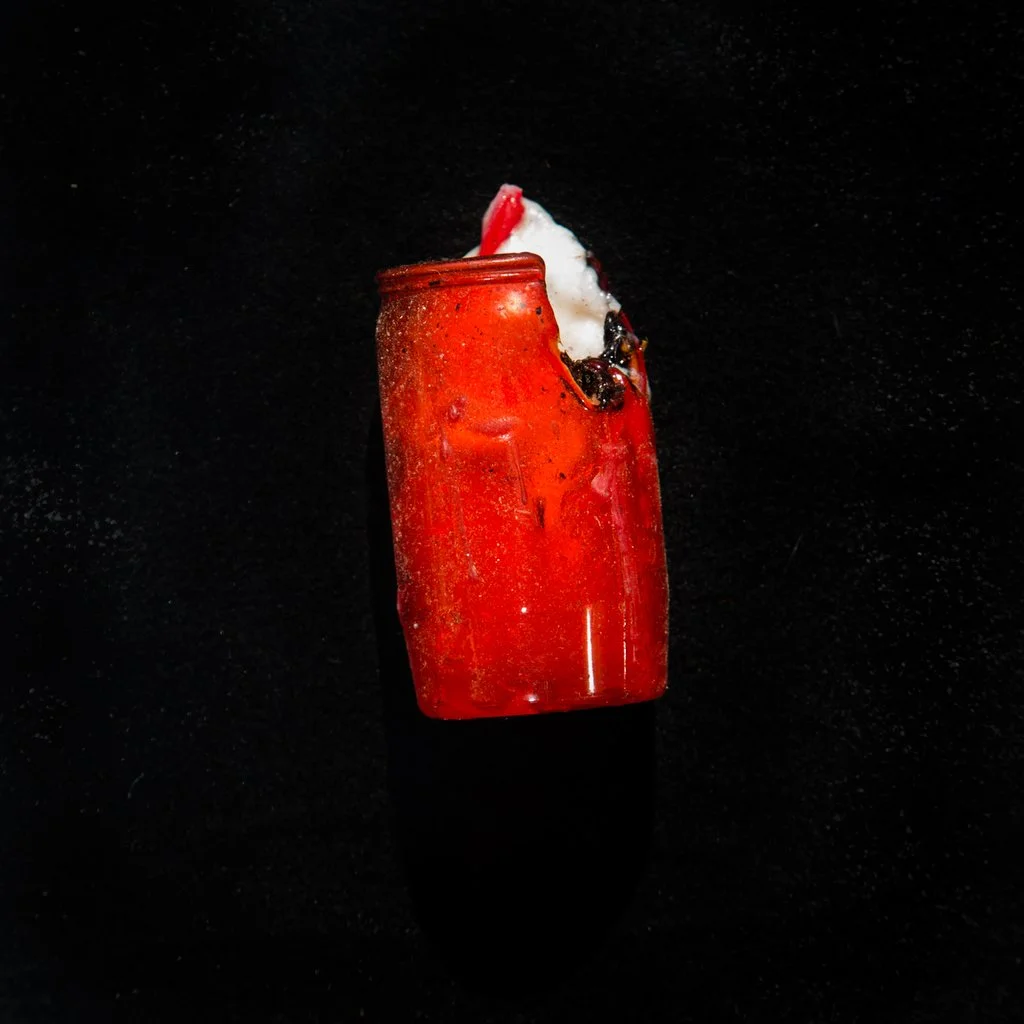
During the Holy Blood Procession in Bruges, I was fascinated by the collision between religion, folklore and performance. The atmosphere constantly shifted between devotion and staged spectacle. Costumes, gestures, waiting moments behind the scenes, exhausted faces after hours in heavy clothing — all those fragments together became more interesting to me than simply documenting the parade itself. I use flash a lot to give situations a brighter more colourfull existence.
In another series, photographed during and after the Covid years, the streets suddenly felt unfamiliar. With a group of volunteers we went into the streets and talked to total strangers asking for their portrait with an analog 6×7 camera. These pictures ended up as Giant prints an tissue in the local cultural center of Ixelles.



Cultural Antropology through Photography
I am also attracted to subcultures and environments where people temporarily step outside everyday life.
Comic conventions, gatherings, performances, nightlife, symbolic rituals — places where identity becomes more visible, exaggerated or vulnerable. Photography works well there because people are already performing in some way, consciously or unconsciously.
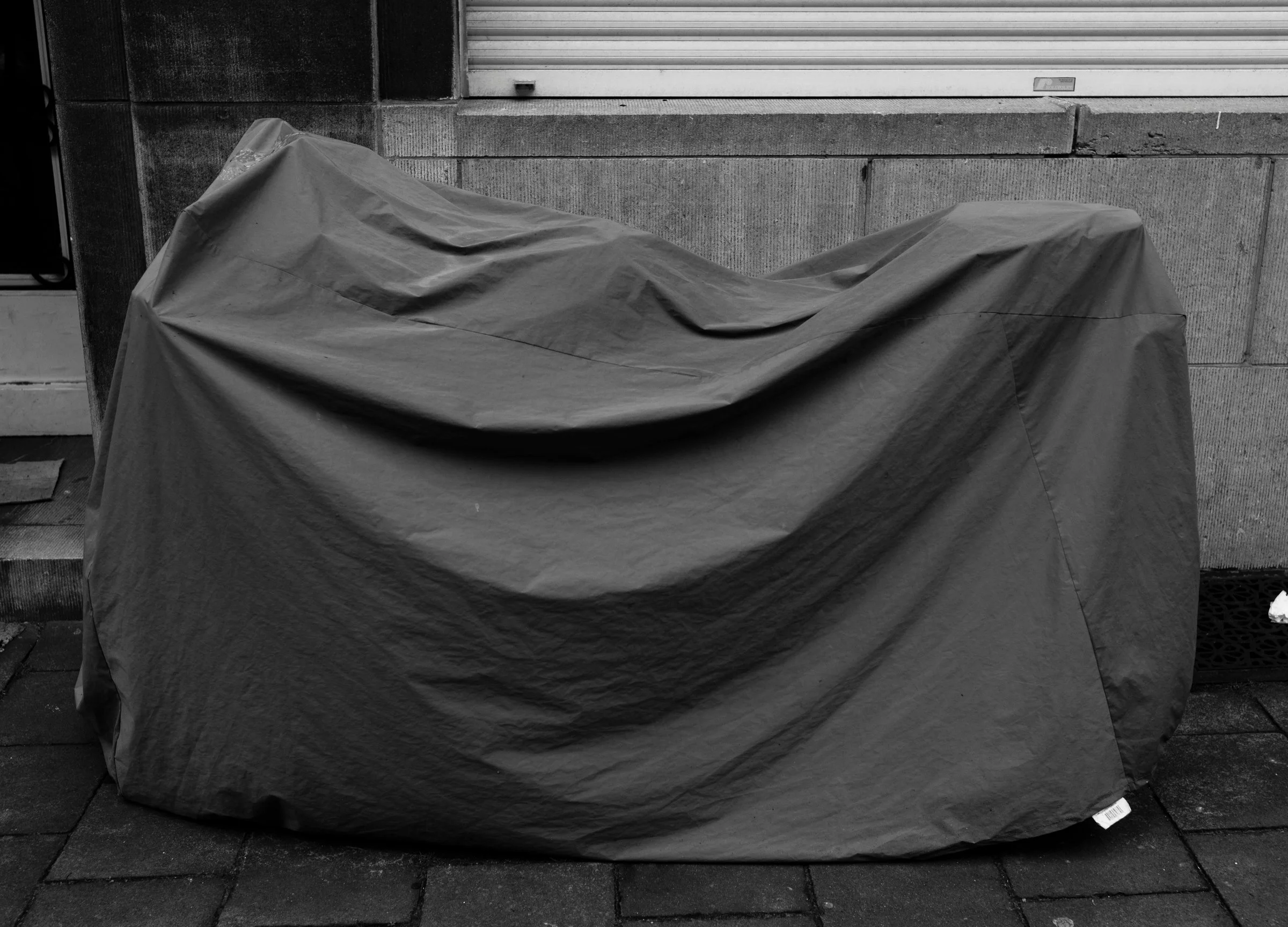
What connects all these stories is not the subject itself, but the search for atmosphere and human behaviour. I want the viewer to feel inside the situation, not outside observing it safely from a distance. Often I just collect. Like the Undercover series. Covered christmas trees, covered motor vehicles. I am fascinated by this public bondage practice.
Why editing matters so much to me.
I shoot instinctively and often fast, but building the final story is a slow process. I can spend days reducing hundreds of images into a tight sequence that feels right emotionally and visually. Some images function as anchors. Others create breathing space. A good visual story needs rhythm. Too much information kills it. Too much explanation as well.
I am less interested in perfect isolated images than in bodies of work that stay in your head afterwards. A sequence can create associations, tension and emotion in ways a single image often cannot. That is what keeps me obsessed with documentary and reportage photography.
Photography allows me to move through very different worlds. Sometimes loud and chaotic. Sometimes intimate and quiet. But always real. Always rooted in observation.
The stories presented here are fragments of those experiences.
Visual notes from places, moments and people that caught my attention and refused to let go. Enjoy!
“I love the diversity of my job(s), that’s what keeps me sharp.”
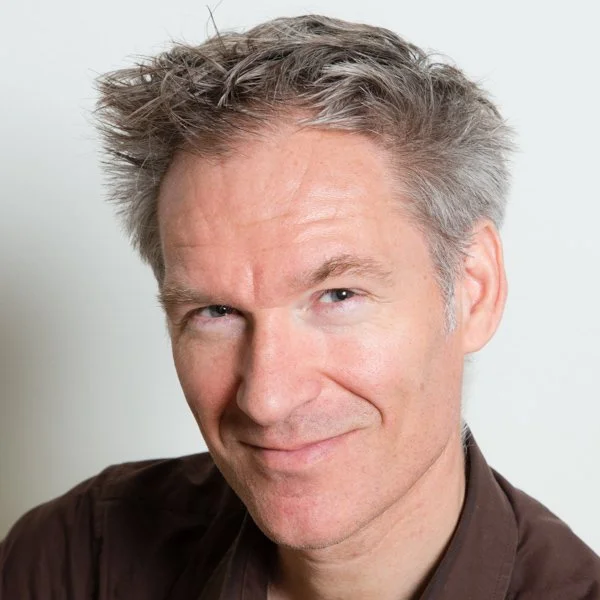
Heavily influenced by photographers like Man Ray, Elliot Erwitt and Roger Ballen or Dutch examples like Anton Corbijn, Erwin Olaf and Ed van der Elsken Sander found his own visual language in the photographic landscape.